
What is Gachapon? A Visitor's Guide to Japanese Capsule Toys
A beginner-friendly guide to gachapon (Japanese capsule toys): what they are, how to use the machines, price ranges, popular series, and where to find the best shops in Japan.
What is Gachapon?
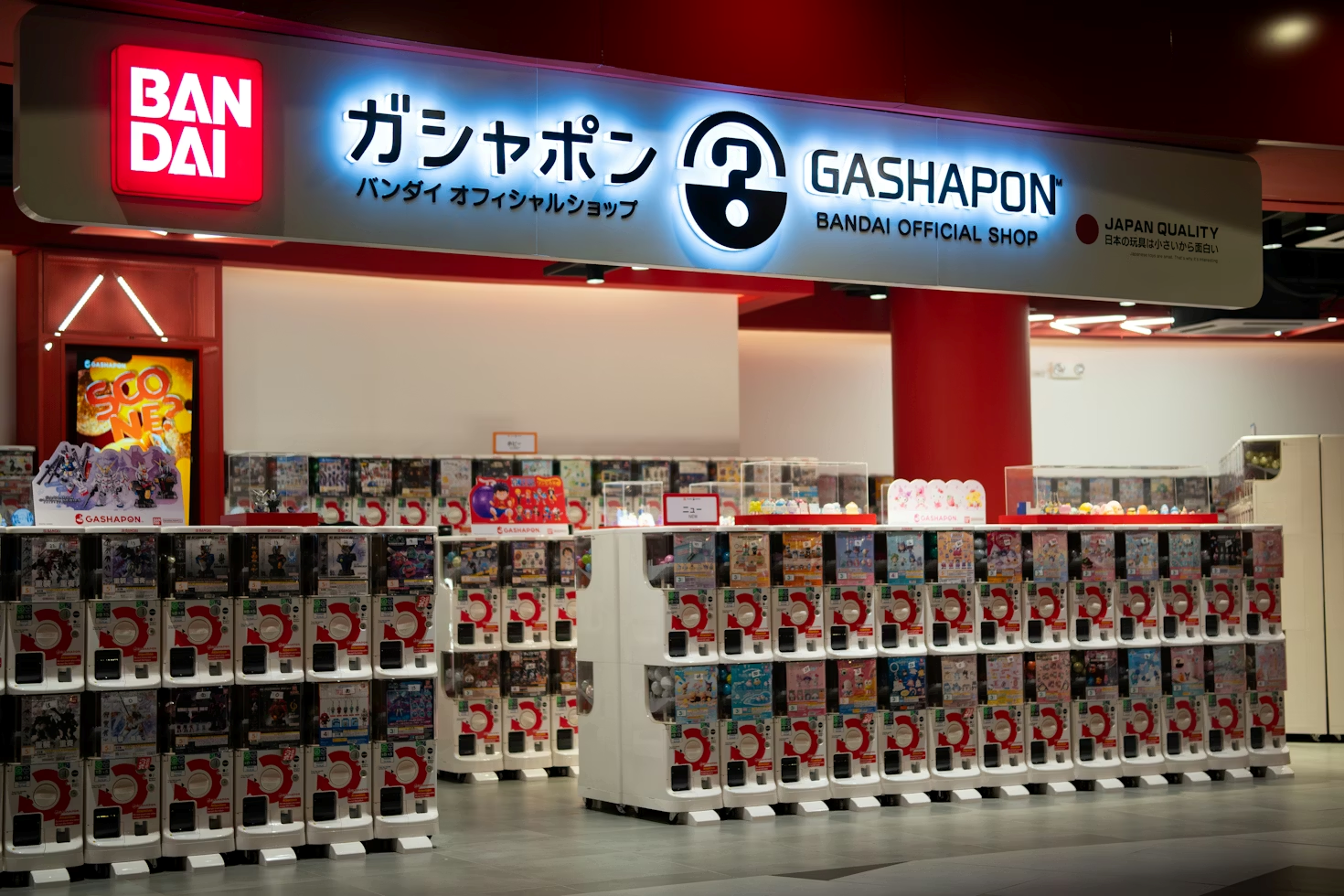
Gachapon (also called *gashapon*, *gacha gacha*, or simply *capsule toys*) is a uniquely Japanese form of toy vending: a small plastic capsule containing a surprise toy, dispensed from a coin-operated machine with a hand-cranked dial. The name comes from the onomatopoeia of the machine — *"gacha"* for the cranking sound, *"pon"* for the capsule dropping into the tray.
Born in Japan in the late 1960s, gachapon culture exploded nationwide in the 1980s with the *Kinkeshi* (Kinnikuman eraser) boom. Today, the Japanese capsule-toy market exceeds 70 billion yen annually, with thousands of new series released every year. For many international visitors, a visit to a gachapon shop has become as iconic as visiting Shibuya Crossing or Senso-ji Temple.
How Gachapon Works
1. Find a machine labeled with a series you like
2. Check the price (usually 100–500 yen) and the lineup of possible figures
3. Insert the required coins — 100-yen coins are the standard currency
4. Turn the dial clockwise all the way around until the capsule drops
5. Pick up the capsule from the tray below
6. Open it to see which figure you got (you can't choose — it's random!)
Price Ranges
100–200 yen
Classic, budget-friendly tier. Small figures, erasers, stickers, and simple novelty items. Great for quick, casual play.
300 yen
Today's mainstream tier. High-quality character figures, accessories, and collaboration items (Sanrio, Pokémon, Disney, etc.). Good balance of quality and price.
400–500 yen
Premium tier. Detailed miniatures, articulated figures, food-replica sets, and high-end collectibles. These are often indistinguishable in quality from completed figure-shop products.
600+ yen
Specialty high-end tier, usually found at flagship stores. Think fully articulated characters, intricate dioramas, and premium collaborations.
Popular Categories
Character Series
- Sanrio: Hello Kitty, Cinnamoroll, Kuromi — staple favorites
- Pokémon: Constant new series, with releases timed to game launches
- Disney / Pixar: Strong among family and female audiences
- Studio Ghibli: Elegant, home-decor-friendly designs
Anime & Tokusatsu
- Gundam, Kamen Rider, Ultraman: Bandai's flagship franchises
- Demon Slayer (Kimetsu no Yaiba), Jujutsu Kaisen, SPY×FAMILY: New waves tied to anime seasons
Miniatures & Realistic Items
- Food-replica miniatures (ramen bowls, bento boxes, bakery items)
- Furniture and appliance miniatures — popular for dollhouse hobbyists
- Animal figures with museum-level sculpting
Lifestyle / Fashion Accessories
- Hair accessories, phone charms, mini-bags — popular with Japan's *oshi-katsu* (fan-support) culture
Where to Find Great Gachapon Shops
Flagship Specialty Chains
Large dedicated chains carry thousands of machines each and get new series first:
- [Gashapon Department Store](/en/chain/gashapon_department) — Bandai Namco's official flagship chain. The flagship in Ikebukuro has around 3,000 machines.
- [Gacha Gacha no Mori](/en/chain/gacha_no_mori) — Forest-themed, nationwide mall locations. Cross-brand lineup.
- [#C-pla](/en/chain/c_pla) — Photogenic, pastel-colored stores popular with younger shoppers.
Tourist Hotspots in Tokyo
- Akihabara: Electric Town area, anime/tokusatsu heaven
- Ikebukuro: Sunshine City is home to the massive Gashapon Department flagship
- Shibuya: Multiple small-to-medium shops within walking distance of the station
- Kitasenju: A major transit hub with capsule-toy spots embedded in station malls — see our Kitasenju guide
Osaka & Other Regions
- Namba / Shinsaibashi (Osaka): Dense shopping arcades with multiple gacha shops
- Nagoya Station area: Easy access for Shinkansen travelers
- Fukuoka / Hakata: Major mall chains plus the popular Sunlive City Kokura store
Tips for International Visitors
Money Preparation
Stock up on 100-yen coins early — convenience stores accept large bills for small purchases, and change machines are available inside major flagship stores. For a 2–3 hour visit to a big shop, plan on 2,000–3,000 yen in coins.
What to Expect from the Experience
- Machines are arranged by theme along walls — you'll find IP-based sections, animal sections, food-miniature sections, etc.
- No staff interaction required — the whole experience is self-serve
- Payment is cash (coin) only at most machines; flagship stores increasingly accept IC cards
Taking Capsules Home
- Capsules themselves are bulky but light; pack them in checked luggage
- If you only want the toy, unbox at the shop and dispose of the capsule in on-site recycling bins (most flagship stores provide these)
- Delicate miniatures (ramen bowls, detailed figures) — wrap with tissue or bubble wrap for the flight
Gachapon Etiquette
- Don't turn the dial repeatedly hoping for a different result — once you insert coins, one turn gives one capsule
- If something jams, alert staff rather than shaking the machine
- Don't open capsules near the machine tray (blocks other customers) — use the designated unboxing area
Start Exploring
Gachapon is the perfect blend of low-cost novelty and deep collector hobby. Whether you're visiting Japan for a week or living here long term, there's always a new series waiting in a corner of a mall near you.
Start your search with the nationwide gachapon directory, or browse by brand with Gashapon Department, Gacha Gacha no Mori, and #C-pla.
Handy items for gacha fans
Popular goods to enjoy gacha hunting, collecting and displaying even more.
- 持ち運びコレクション収納ポーチ
旅先でゲットしたカプセルトイを安全に持ち帰り。クッション素材で衝撃から保護。
¥1,000〜¥2,500 - 空カプセル空カプセル 65mm
ガチャガチャの定番サイズ。DIY・保管・プレゼント用ラッピングに。
¥800〜¥2,000 - 書籍ガチャガチャ完全ガイドブック
ガチャガチャの歴史・文化・名作を学べる書籍。コレクター必読。
¥1,500〜¥3,000 - ディスプレイアクリル製コレクションケース
カプセルトイ・フィギュアを埃から守るクリアケース。重ね収納も可能。
¥1,500〜¥5,000
This section contains Amazon Associates / Rakuten affiliate links. Purchases via these links help support the site.